Around six months the high chair enters the kitchen and everything gets gloriously messy. The right gear does not feed the baby for you, but it shortens the chaos phase remarkably. Here is what earns its place, stage by stage.
Is baby ready?
- Sits with minimal support and holds the head steady.
- Watches your fork travel with visible interest.
- Has lost the tongue-thrust reflex that pushes food back out.
All three usually align close to the six-month mark — confirm with your pediatrician.
6–9 months: the exploration phase
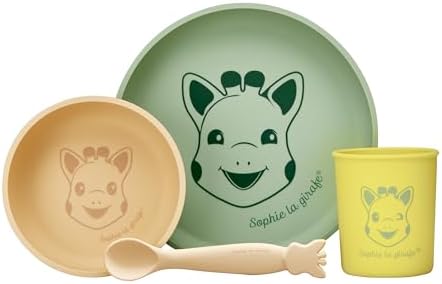
Purees and soft mashes dominate. A flexible silicone bowl and a soft-edged spoon are kind to gums that may be teething at the very same time. Expect more art than eating — that is the curriculum.
9–12 months: the grab-everything phase
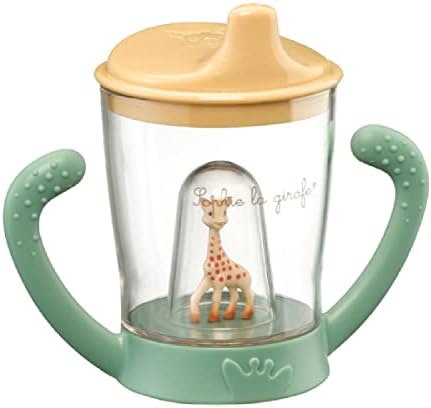
Finger foods arrive and so does the demand to hold things personally. A divided silicone plate that grips the tray saves many floors, and a spill-proof trainer cup with two handles bridges the way from bottle to open cup.
12+ months: the do-it-myself phase
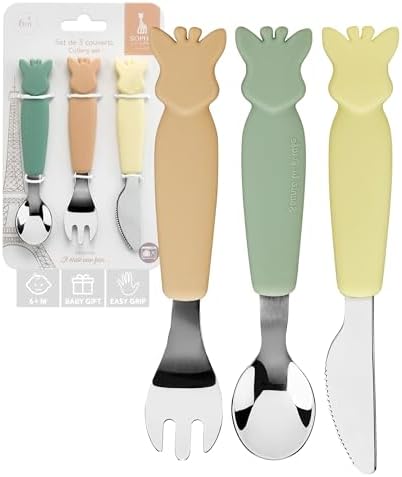
Toddlers want your tools, sized for them: a short-handled fork and spoon with grippy silicone handles, plus a rounded safety knife for supervised spreading practice. Success rate is low at first; pride is enormous.
Cleanup logistics
Choose pieces that are dishwasher and microwave safe — silicone shrugs off both. Keep two cups in rotation so a clean one always exists at 7 a.m.
Three table rules that help
- Same seat, same bib, same cheerful start — ritual builds appetite.
- Offer the spoon even when you feed — parallel practice speeds independence.
- Treat throwing as a signal of “done”, calmly end the meal.
Published: August 15, 2026